Recurring Seasonal Illnesses: A PHC Gurgaon Homeopathic Doctor's Guide
Discover why coughs, allergies and infections return with changing seasons, how to track symptoms and when to seek medical advice. PHC Gurgaon offers individualised homeopathic consultations, seasonal guidance and regular follow-ups for long-term wellness.
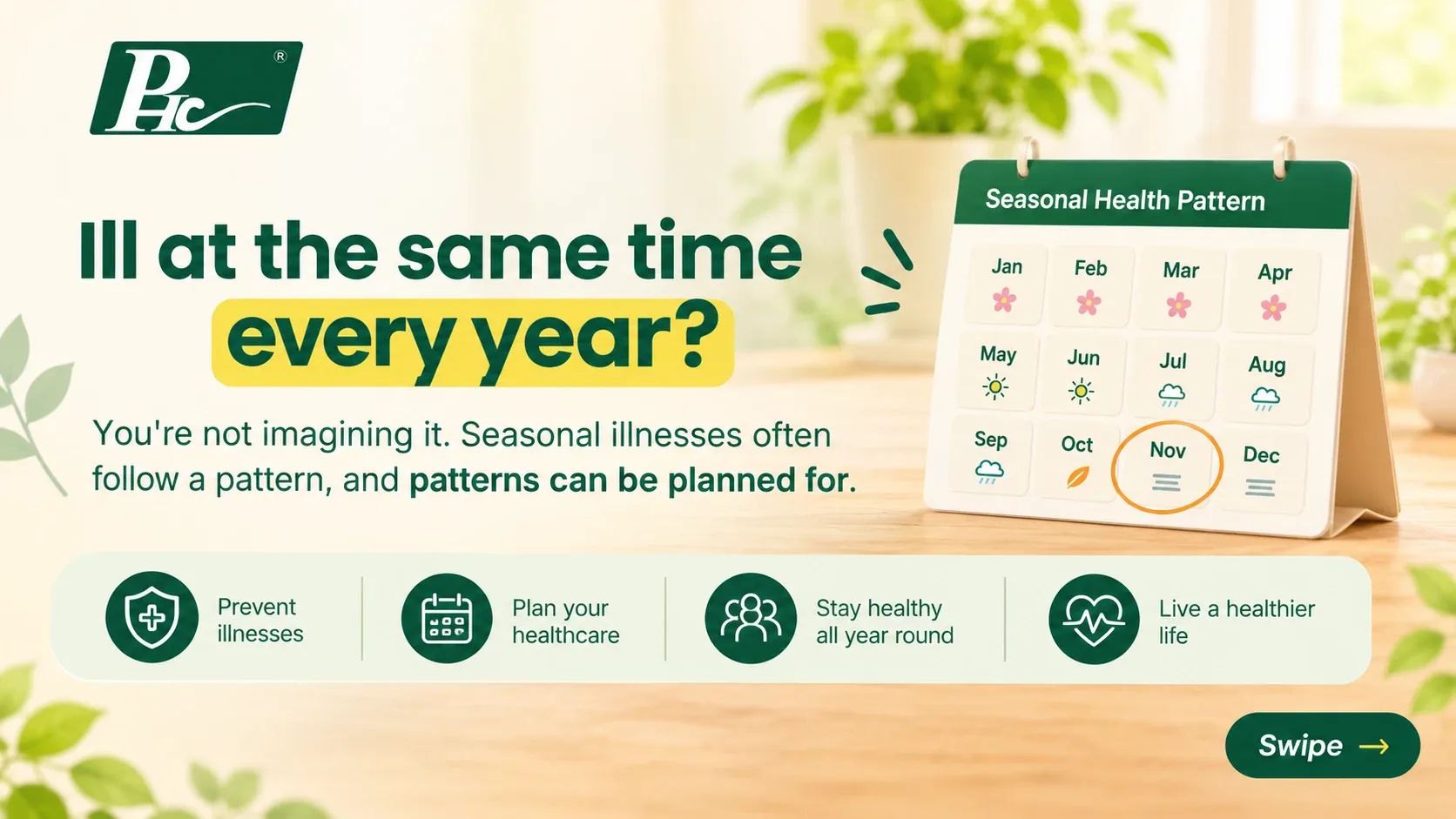
Recurring Seasonal Illnesses: A Gurgaon Homeopathic Doctor's Guide
Some families can predict their illnesses better than the weather forecast. A cough every Diwali. A blocked nose every February. A fever at the end of every monsoon. A child who is unwell for a week every time the season turns.
These recurring seasonal illnesses are not always bad luck. Many follow recognisable patterns linked to pollution, pollen, infections, weather changes and everyday routines.
At Panacea Homeopathic Clinic (PHC), Gurgaon, recurring health concerns are an area of consultation. This guide explains why seasonal illnesses may return, how to track your symptoms, when to seek medical advice and PHC's individualised approach to long-term consultations.
Why Do Seasonal Illnesses Keep Coming Back?
Recurring seasonal illnesses can be linked to the same environmental and lifestyle triggers returning at particular times of the year. In Gurgaon and Delhi NCR, five factors are worth watching.
1. Air Pollution
Air pollution is an important seasonal concern in Delhi NCR, particularly during winter. Fine particulate matter (PM2.5) can irritate the eyes, nose and throat and affect respiratory health.
The World Health Organization identifies air pollution as a risk factor for respiratory illness. India's National Centre for Disease Control also lists cough, wheezing and breathing difficulty among possible health effects.
Children, older adults and people with existing respiratory conditions may need extra precautions during high-pollution periods.
2. Seasonal Allergens
Pollen from trees, grasses and weeds can trigger allergic symptoms at different times of the year.
In India, pollen seasons commonly include:
- Spring: February to April
- Autumn: September to October
- Winter: November to January
Allergic rhinitis may cause sneezing, a runny or blocked nose, itchy eyes and throat irritation. Indoor allergens such as dust mites can also contribute to symptoms throughout the year.
3. Seasonal Infections
Different infections circulate at different times of the year.
- Influenza activity in Delhi has been observed during the monsoon months, with another late-winter peak reported in North India.
- Dengue risk can rise during and after the monsoon when stagnant water supports mosquito breeding.
- Common respiratory and gastrointestinal infections may also spread through close contact, contaminated food or unsafe water.
Vaccination, hygiene and timely medical assessment remain important preventive measures.
4. Weather Changes
Gurgaon's autumn and spring can bring warm afternoons and cooler nights. Sudden temperature changes and cold, dry air may trigger symptoms in people with sensitive airways, asthma or COPD.
If your cough, wheezing or breathlessness repeatedly worsens during weather transitions, discuss the pattern with your doctor.
5. Seasonal Routine Changes
Festivals, holidays and winter can change how people eat, sleep, exercise and hydrate.
Late nights, reduced physical activity, changes in food habits and drinking less water may affect general wellbeing and digestion. Keeping a regular routine can help support health throughout the year.
A Season-by-Season Health Calendar for Gurgaon
The following is a general guide to recurring seasonal patterns, not a prediction of what will happen in a particular year.
- February to April: Tree pollen, late-winter influenza activity and warm days with cooler nights.
- May to June: Heat, dust and changing outdoor air conditions.
- July to September: Monsoon-related infections, influenza activity and possible dampness or mould indoors.
- September to October: Grass and weed pollen and the start of the post-monsoon dengue period.
- Late October to November: Diwali smoke, crop-residue burning, winter pollution and festive routine changes.
- December to January: Cold, dry air, winter pollution and increased time spent indoors.
Knowing which months affect you most can help you prepare and discuss your symptoms with a healthcare professional.
How Can You Track Your Own Seasonal Symptoms?
A simple symptom record can turn “I always get ill” into useful information for a medical consultation.
Keep a note on paper or your phone of:
- When it starts: Record the month, week and date of each episode.
- What you notice first: Sneezing, sore throat, cough, wheezing, fever, acidity or fatigue.
- Possible triggers: High AQI, pollen, a festival, travel, cold weather or contact with someone unwell.
- What changes symptoms: Note whether rest, cold air, warm drinks, outdoor exposure or lying down affects how you feel.
- How long recovery takes: Record how many days symptoms last and how you feel afterwards.
- Medical care: Note medicines taken, tests, vaccinations and doctor visits.
Bring this record to your consultations. It can help your doctor understand the timing and recurrence of your symptoms.
What Can You Do to Prevent Recurring Seasonal Illnesses?
Prevention depends on the trigger. A few practical habits can help throughout the year.
Reduce Exposure to Air Pollution
- Check the Air Quality Index using the CPCB Sameer app.
- Limit strenuous outdoor activity when air quality is poor.
- Use a properly fitted N95 or N99 mask when appropriate.
- Keep indoor air as clean as possible.
- Avoid smoking, incense and mosquito coils indoors.
- Wet-mop floors rather than dry sweeping.
Manage Seasonal Allergens
- Close windows during high-pollen periods if pollen triggers your symptoms.
- Shower and change clothes after spending time outdoors.
- Wash bedding regularly.
- Reduce dust accumulation and dampness indoors.
- Discuss recurring allergy symptoms with your doctor.
Lower the Risk of Infection
- Wash hands regularly.
- Cover coughs and sneezes.
- Stay home when unwell where possible.
- Avoid stagnant water around your home.
- Ask your doctor whether seasonal influenza vaccination is suitable for you.
Maintain a Consistent Routine
- Dress in layers during changing weather.
- Keep meals regular.
- Drink enough water, including during winter.
- Include suitable physical activity in your daily routine.
- Get adequate sleep and rest.
When Should a Recurring Illness Be Checked by a Doctor?
Recurring seasonal symptoms are common, but some patterns deserve medical assessment.
See a doctor if:
- Infections are becoming more frequent or severe.
- Recovery is taking longer each year.
- A cough lasts more than two to three weeks.
- You develop new wheezing or breathlessness.
- Asthma, COPD or another chronic condition worsens each season.
- A child's recurring illnesses affect growth, appetite, sleep or school attendance.
- Episodes are accompanied by unexplained weight loss, night sweats or persistent tiredness.
Seek urgent medical care for difficulty breathing, chest pain, bluish lips, confusion or signs of severe dehydration. Do not wait for a routine consultation if these symptoms occur.
How Does PHC Approach Recurring Seasonal Illnesses?
Panacea Homeopathic Clinic (PHC), Gurugram, practises classical homeopathy and offers individualised consultations for people with recurring health concerns.
The clinic's approach begins with understanding the person's overall health history, symptom pattern, lifestyle and the way complaints change across seasons.
What Is Classical Homeopathy?
Classical homeopathy is a traditional system of medicine developed by Dr. Samuel Hahnemann in the late eighteenth century. It is based on the principle of “like treats like” and uses preparations made through serial dilution and succussion.
In India, homeopathy is a recognised system of medicine regulated under the National Commission for Homoeopathy Act, 2020.
Homeopathy has not been reliably demonstrated to prevent or treat seasonal infections, allergies or the health effects of air pollution. It should not replace vaccination, medical assessment, prescribed medicines or evidence-based prevention.
What Is Constitutional Homeopathy?
Constitutional homeopathy is an approach that considers a person's broader health history and individual characteristics rather than focusing on one isolated symptom.
At PHC, detailed case-taking may explore:
- Which months and environmental triggers affect you.
- Whether symptoms begin in the nose, throat, chest or stomach.
- Whether cold air, dampness, smog or warm rooms affect symptoms.
- How long recovery takes.
- Sleep, appetite, thirst, energy, mood, stress and family history.
Individualisation in Homeopathy
Two people may report the same seasonal complaint but describe different experiences.
One person may first notice sneezing, another a sore throat, and someone else a cough that lingers. PHC's consultation process considers these individual histories and symptom patterns.
How PHC Structures Consultations and Follow-ups
1. Detailed case-taking: Reviewing seasonal history, symptoms, medical and family history and current medicines.
2. Individualised consultation: Discussing the person's overall health picture and PHC's classical homeopathic approach.
3. Season-by-season guidance: Discussing the months when symptoms commonly return and practical precautions for those periods.
4. Continuity and follow-ups: Reviewing patient-reported experiences over time through in-clinic or online consultations.
PHC's approach also considers four pillars of health: Diet, Rest, Exercise and Medicine. Consultations may include practical discussions about food, sleep, breathing practices and suitable physical activity.
Any homeopathic consultation should complement appropriate medical care. Continue prescribed medicines and inhalers as directed by your treating doctor.
Homeopathic Consultations for Children With Recurring Illnesses
Children may experience recurring colds, coughs or fevers as they encounter infections at school and in other settings.
PHC offers consultations for children's recurring and prolonged health complaints, with detailed case-taking that may include:
- Previous illness and symptom patterns.
- Appetite, sleep and energy.
- Growth and general health history.
- Family history and relevant medical records.
Parents should keep their child's paediatrician informed. Recurrent or prolonged fever, breathing difficulty, poor feeding, dehydration or unusual drowsiness needs prompt medical assessment.
When choosing a homeopathic doctor for a child, look for a qualified, registered practitioner who explains the consultation process clearly and never asks parents to ignore medical warning signs.
Can You Continue Consultations With PHC Online?
Yes. Panacea Homeopathic Clinic has offered online homeopathic consultations since 2001 for patients across India and overseas.
Online consultations can support case discussions and follow-ups for people who cannot visit the Gurugram clinic in person. Ask PHC about the current consultation process and availability of long-term follow-up plans.
What Are the Possible Goals of Ongoing Care at PHC?
PHC's consultation approach aims to provide:
- A clearer understanding of an individual's recurring seasonal pattern.
- Detailed attention to the person's overall health history.
- Practical guidance on diet, rest and exercise.
- Continuity through scheduled follow-ups.
- A structured opportunity to review health concerns across seasons.
Individual experiences vary. No fixed outcome, prevention of infection or cure is promised.
Homeopathy Alongside Medical Care
Homeopathic consultations at PHC should take place alongside appropriate medical assessment and evidence-based prevention.
If you use prescribed medicines or an inhaler, continue them as advised by your treating doctor and tell your PHC homeopath about them.
Do not delay medical treatment, vaccination or emergency care while seeking a homeopathic consultation.
Conclusion
Recurring seasonal illnesses often follow recognisable patterns linked to pollution, pollen, infections, weather changes and everyday routines.
Track when symptoms begin, identify possible triggers, take suitable preventive steps and seek medical advice when symptoms become frequent, severe or prolonged.
For people and families looking for ongoing consultations about recurring seasonal concerns, Panacea Homeopathic Clinic offers individualised classical homeopathic consultations, seasonal guidance and regular follow-ups.
Consult a Homeopathic Doctor in Gurgaon Sector 22 or Online
Panacea Homeopathic Clinic (PHC)
Panacea Homeopathic Clinic has practised classical homeopathy in Gurugram since 1997 and has offered online consultations across India and overseas since 2001.
- Clinic: Sector 22A, near Tau Devi Lal Park, Gurugram (by appointment)
- Consultation enquiries: +91 99904 49900
- Online consultation: https://app.mikahq.com/m/cmuv006de00017d6p6wyl2onp
Explore PHC's seasonal health guides:
- Diwali Air Pollution and Breathing Problems
- Pollution-Related Breathing Problems
- Seasonal Respiratory Allergies
- Hay Fever During Seasonal Changes
- Weather Changes and Respiratory Problems
- Seasonal Viral Infection Warning Signs
- Seasonal Stomach Problems
Medical disclaimer: This article is for general health awareness and does not replace a personal medical assessment. Homeopathy should not replace evidence-based treatment, vaccination, prescribed medicines or emergency care.
Questions people ask
Why do I get ill at the same time every year?
The same triggers may return each year, including winter pollution, spring and autumn pollen, seasonal infections, temperature changes and festive routine changes. Tracking your symptoms can help identify your personal pattern.
Why do I get ill at the same time every year?
The same triggers may return each year, including winter pollution, spring and autumn pollen, seasonal infections, temperature changes and festive routine changes. Tracking your symptoms can help identify your personal pattern.
What causes recurring seasonal illnesses in Delhi NCR?
Common contributing factors include winter air pollution, seasonal pollen, influenza and dengue activity, temperature swings and changes in daily routines.
How do I track my seasonal symptoms?
Record when each episode starts and ends, your first symptoms, possible triggers, what makes symptoms better or worse, recovery time, medicines and doctor visits. Share the record during consultations.
Does air pollution cause repeated coughs and colds?
Air pollution can irritate the respiratory tract and long-term exposure is associated with a higher risk of respiratory infections. Reducing exposure on high-AQI days is an important precaution.
How does PHC use homeopathy for recurring seasonal illnesses?
PHC offers detailed case-taking, individualised classical homeopathic consultations, seasonal guidance and regular follow-ups, supported by diet, rest and exercise advice. Homeopathy has not been proven to prevent or treat seasonal infections.
What should parents look for in a homeopathic doctor in Gurgaon for kids?
Look for a qualified, registered practitioner who takes a detailed health history, explains the consultation clearly, recommends regular reviews and refers children for medical care when necessary.
Can I continue homeopathic care with PHC's homeopathic doctors online?
Yes. PHC offers online consultations for patients across India and overseas. For enquiries, call 99904 49900 or use the online consultation link.
How long does constitutional homeopathic care for recurring illness take at PHC?
The consultation and follow-up plan depends on the person's history and needs. PHC can discuss a suitable plan after the initial consultation; individual experiences vary and no fixed timeline or outcome is promised.